

Herb Your Enthusiasm:
Find deep insights into TCM (Traditional Chinese Medicine) with acupoints, diet recommendations, and so much more.
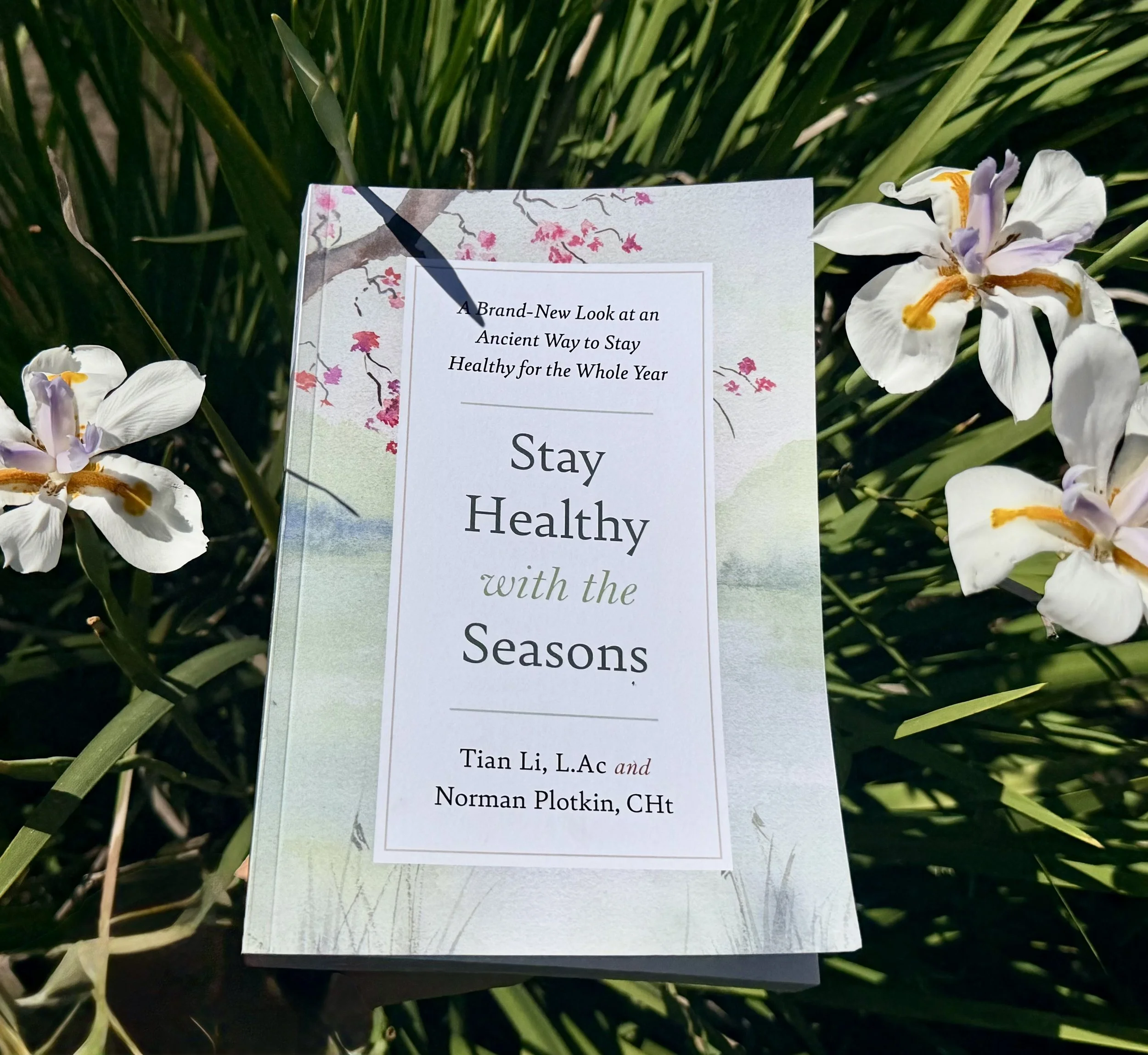
Stay Healthy with the Seasons
Discover the ancient wisdom of Traditional Chinese Medicine in the new book, Stay Healthy with the Seasons. Learn to align your diet, movement, and emotions with nature’s rhythms through the 24 solar terms. From warming winter meals to spring qi-cleansing, this guide offers practical tools for preventative care and lasting balance. Join the official book signing on April 24th, 2026, and start living in harmony with the natural world.

Sleep: Graceful Aging
Here at Violet Wellness Spa in Fair Oaks, we place a strong emphasis on the art and science of graceful aging. Graceful aging is not only about appearance. It is about cultivating a vibrant, resilient body and mind that radiate health well into later years. From the perspective of Traditional Chinese Medicine (TCM), this vitality depends on maintaining the balance of qi, blood, yin, and yang through mindful lifestyle choices. Diet, exercise, sleep, and emotional well-being all play essential roles in preserving these vital substances. In this article, we explore how sleep is a powerful pillar of restoration. By exploring both modern scientific research and the wisdom of TCM, we can better understand the optimal timing and duration of sleep necessary to support deep healing and renewal.

Sleep: The Foundation of Graceful Aging
Here at Violet Wellness Spa in Fair Oaks, we place a strong emphasis on the art and science of graceful aging. Graceful aging is not only about appearance. It is about cultivating a vibrant, resilient body and mind that radiate health well into later years. From the perspective of Traditional Chinese Medicine (TCM), this vitality depends on maintaining the balance of qi, blood, yin, and yang through mindful lifestyle choices. Diet, exercise, sleep, and emotional well-being all play essential roles in preserving these vital substances. In this article, we explore how sleep is a powerful pillar of restoration. By exploring both modern scientific research and the wisdom of TCM, we can better understand the optimal timing and duration of sleep necessary to support deep healing and renewal.

Acupuncture for Headaches and Migraines
Headaches and migraines are among the most common neurological complaints worldwide, affecting people of all ages and backgrounds. While many individuals rely on over-the-counter or prescription medications for relief, a growing number are turning to complementary therapies to address both the symptoms and the underlying causes of their pain.
Acupuncture, a key component of Traditional Chinese Medicine (TCM), has gained significant recognition as a safe and effective option for managing headaches and migraines.

Preparation, Physiological Responses, and Clinical Management in Late Pregnancy-A Traditional Chinese Medicine Perspective
Late pregnancy, generally defined as the period from approximately 28 weeks of gestation until delivery, represents a crucial stage of physiological consolidation and psychological transition. From the perspective of Traditional Chinese Medicine (TCM), this phase is not focused on aggressive intervention or symptom suppression, but rather on stabilizing the maternal constitution, preserving Qi and Blood, supporting Kidney function, and preparing the body and mind for the demands of childbirth and postpartum recovery.
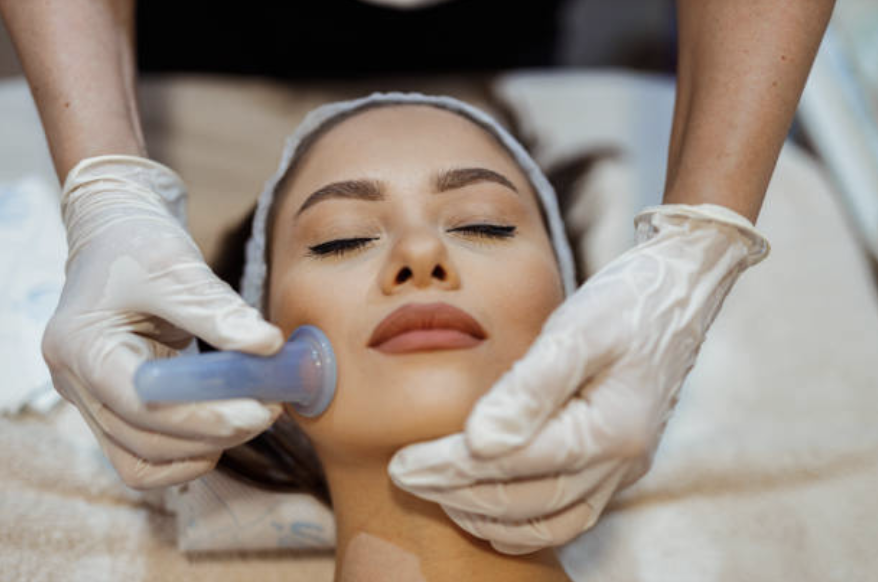
Cupping and Fascia
Here at Violet Wellness Spa in Fair Oaks, the focus is on helping patients age both gracefully and healthily by supporting the body’s natural capacity for balance and renewal. In TCM (Traditional Chinese Medicine), healthy aging and vibrant skin are seen as outward reflections of abundant qi, blood, yin, and yang within the body. When these vital substances are plentiful and flowing smoothly, the body naturally expresses vitality through glowing skin, bright eyes, and a sense of ease and energy. People often notice that they not only look healthier, but also feel more engaged in daily life, recover more quickly from stress, and have greater resilience overall. Skin that is nourished by sufficient blood and yin maintains moisture, fullness, and elasticity, allowing it to heal faster and retain a youthful appearance.

Seasonal Allergies-A TCM Perspective
Seasonal allergies, from the perspective of traditional Chinese medicine, are not viewed as an isolated immune overreaction or a simple sensitivity to pollen, dust, or mold. Instead, they are understood as a reflection of the body’s relationship with its environment and the balance—or imbalance—of internal systems that govern protection, circulation, and adaptation to seasonal change. Where modern medicine often asks, “What is the allergen?” Chinese medicine asks a different question: “Why is this person vulnerable right now?”
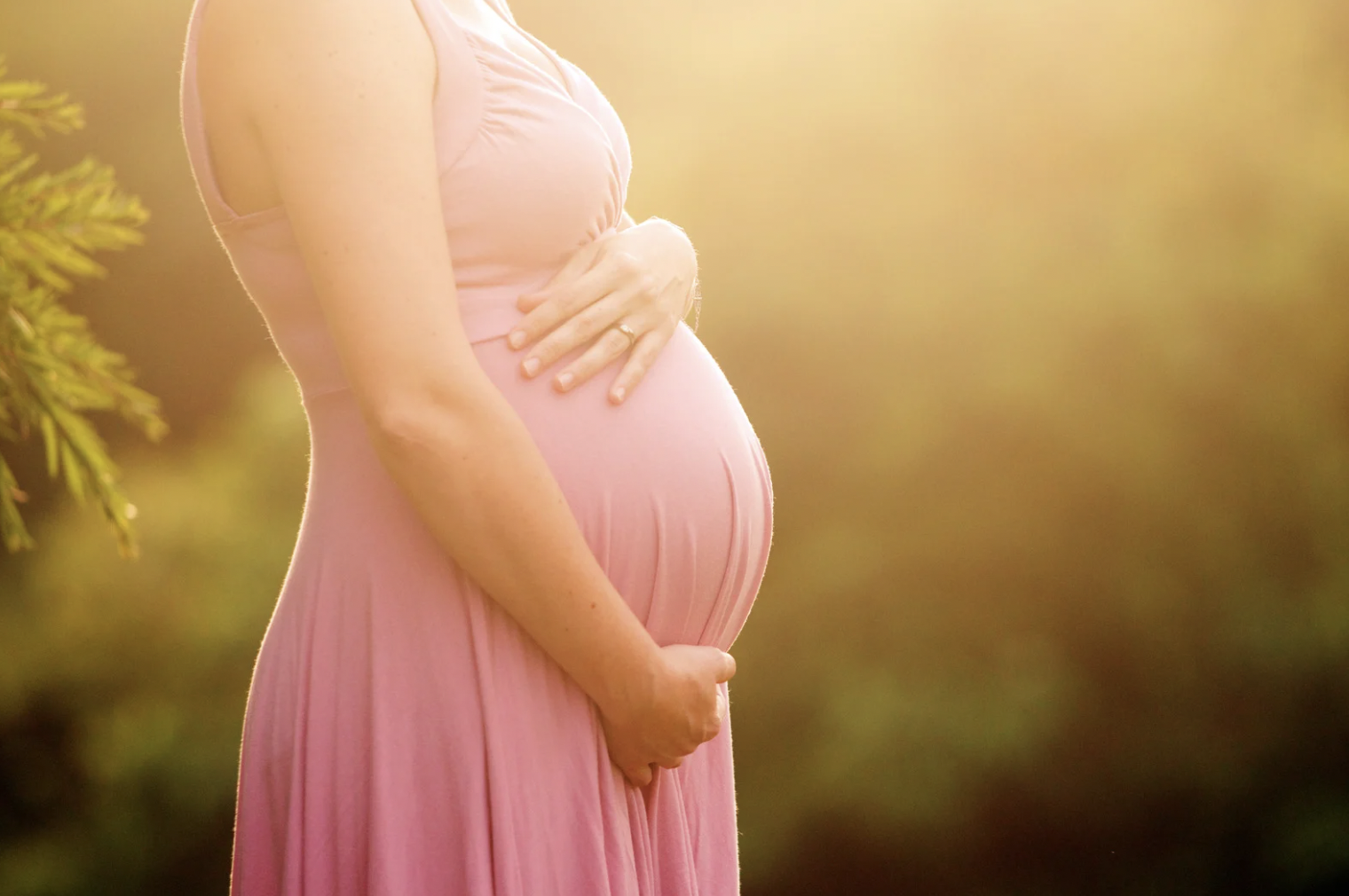
Middle Pregnancy What to Expect from a TCM Perspective
In Traditional Chinese Medicine, the second trimester of pregnancy, spanning roughly weeks 13 through 28, is regarded as a uniquely important and stabilizing phase. It is traditionally called “the period when the fetus becomes secure,” reflecting the belief that the embryo has fully anchored in the womb and that the Chong and Ren channels gradually settle into balance.
This stage symbolizes a growing harmony between mother and fetus, yet it also marks a time when the mother’s Qi, Blood, and Kidney Essence are increasingly called upon to support ongoing development. From both a cultural and medical perspective, TCM views this trimester as a period for protecting maternal vitality, establishing a strong foundation for fetal growth, and providing gentle, consistent care rather than aggressive tonification. While early pregnancy symptoms such as morning sickness often subside, new and subtler energetic imbalances may begin to appear.

Winter’s Quiet Power: Traditional Chinese Medicine Wisdom for Deep Nourishment and Renewal
In Traditional Chinese Medicine (TCM), winter is not simply a season to endure—it is a season to honor. While modern culture often pushes us to maintain the same pace year-round, TCM teaches that winter is governed by entirely different rules. It is a time of storage, conservation, and deep nourishment, when the body mirrors nature’s stillness. Understanding how to care for ourselves during winter allows us not only to avoid illness, but to emerge into spring with greater vitality, clarity, and resilience.
At the heart of winter wisdom are two essential forces: Yin Qi, which nourishes, moistens, and restores, and Yang Qi, which warms, activates, and protects. Winter’s mission is to nurture Yin while carefully preserving Yang. Everything from how we dress and move to how we sleep and drink can either support or undermine this delicate balance.
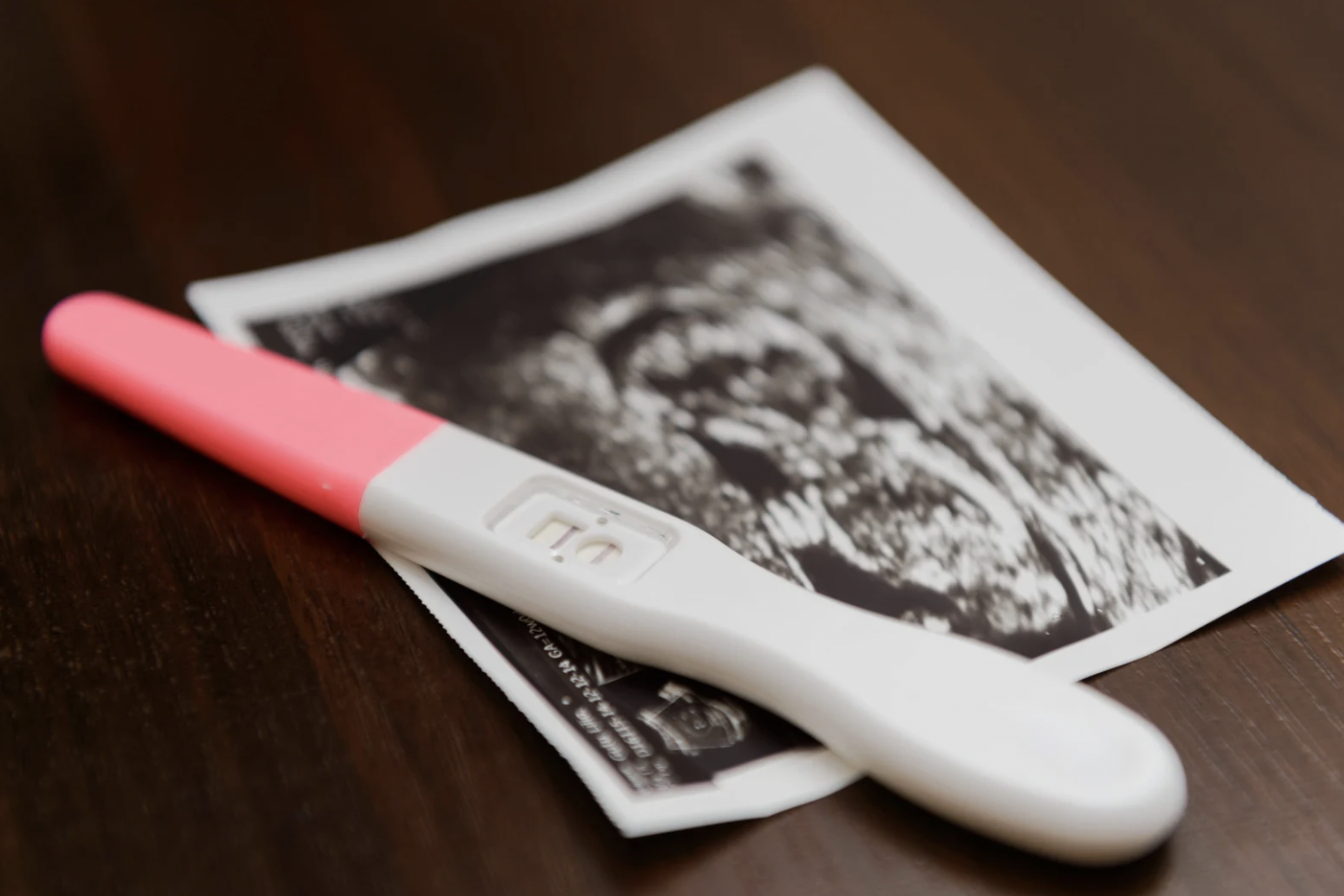
Early Pregnancy SymptomsTraditional Chinese Medicine Perspective
The first twelve weeks of pregnancy, often called “the settling of the fetal essence” in Traditional Chinese Medicine (TCM), are a time of deep transformation. During this stage, experiences like nausea, fatigue, breast tenderness, shifting emotions, and changes in appetite are not viewed as illnesses, but as normal signs that the body is adjusting as new life establishes itself. From a TCM perspective, the goal is to interpret these changes clearly and support the mother with gentle, appropriate care during a particularly sensitive window.
TCM explains early pregnancy through several natural physiological shifts. As the Chong and Ren channels strengthen to support reproduction, qi and blood are redirected to nourish the developing embryo. This internal prioritizing can temporarily leave the mother feeling depleted or “off balance,” especially in digestion, because the Stomach’s harmony may be disrupted. What appears as discomfort is often the visible surface of a profound internal reorganization required for fetal development.

The Five Elements in TCM: How They Influence Your Body and Mind
Traditional Chinese Medicine (TCM) is built on the principle that nature and the human body are deeply interconnected. One of its core theories is the Five Elements Theory, which explains how different aspects of the body, emotions, and even personality traits are influenced by the elements Wood, Fire, Earth, Metal, and Water. Understanding these elements can help you achieve better health, emotional balance, and overall well-being.

Yin and Yang: The Balance Behind Health and Wellness
Yin and Yang are the foundation of Traditional Chinese Medicine (TCM) and represent the dynamic balance that governs all aspects of life, including health, energy, and emotional well-being. This ancient philosophy teaches that harmony between Yin and Yang is essential for maintaining optimal health. When imbalances occur, they can lead to fatigue, stress, digestive issues, and chronic illnesses.